The Safeguarding Risks of Teenage Caffeine Use
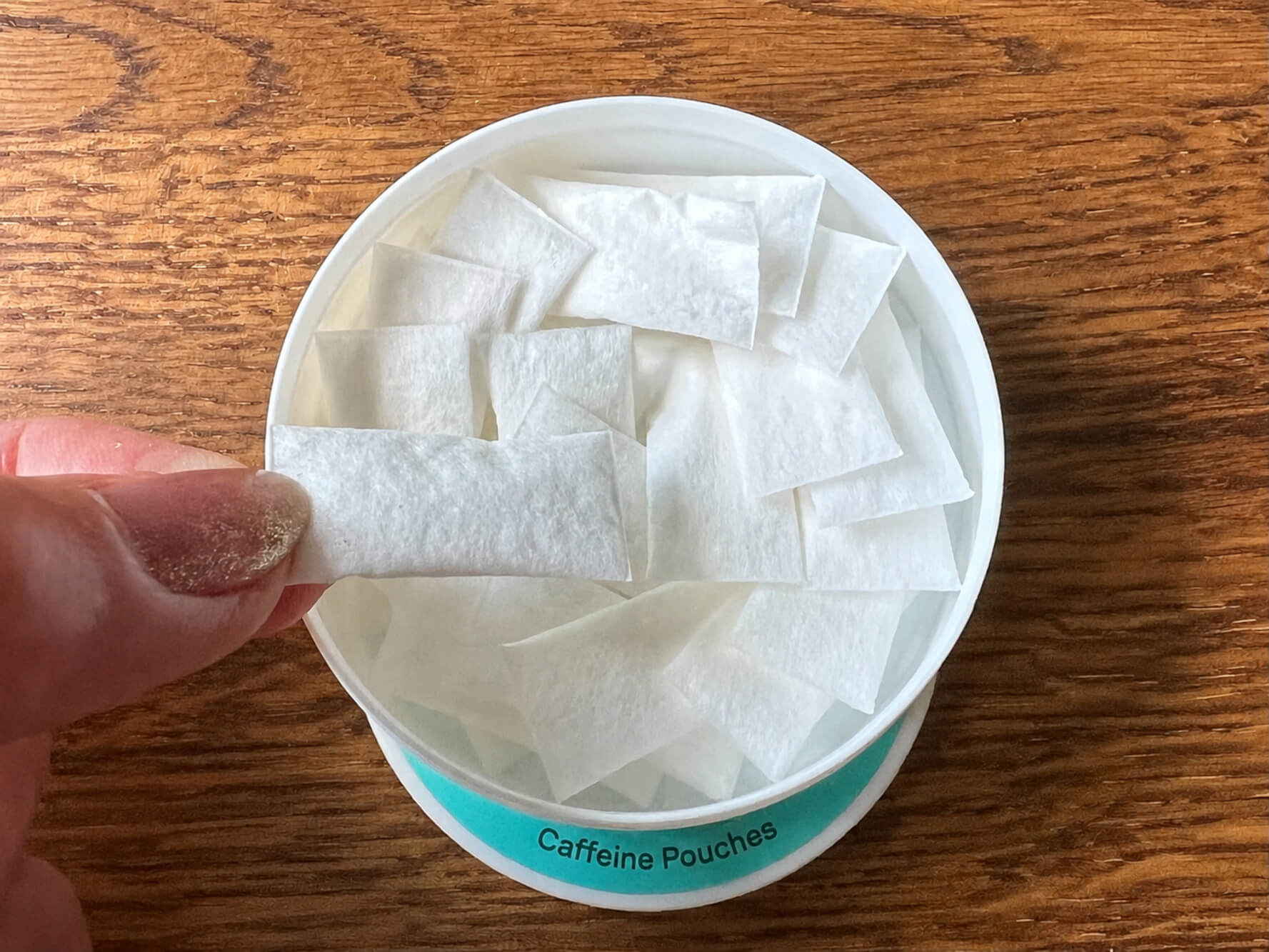
The trend of caffeine use targeted at teenagers is emerging as a new safeguarding concern.
The use of caffeine pouches, small, tea-bag-like sachets placed between the lip and gum to deliver a rapid hit of caffeine directly into the bloodstream. These high potency pouches present a serious risk to health and wellbeing, especially when combined with energy drinks and other caffeine products.
Caffeine is used to block adenosine, the chemical that signals pain and fatigue to the brain, enabling athletes and fitness enthusiasts to enhance endurance, strength, and focus whilst decreasing perceived exertion and exhaustion. Caffeine may also help mobilise fat stores as a primary fuel source, reducing the use of glycogen stored in muscles. Preventing glycogen depletion again supports athletic endurance.
Caffeine Use in Sport
In competitive sports caffeine is not a prohibited substance however, most professional sporting bodies follow the set limits specified by the International Olympic Committee which athletes must adhere to.
Caffeine Restrictions
In the UK there are no legal restrictions on caffeine use however there are guidelines for safe use. For healthy adults, limiting intake to 400mg of caffeine per day, approximately four mug sized cups of coffee, is advised. For children and teenagers, safe consumption levels are based on body weight. The Food Standards Agency guidelines recommend not exceeding 3mg of caffeine per kg of weight, per day.
High Caffeine Drinks
Most energy drinks contain approximately 80mg of caffeine per 250ml can and drinks containing over 150mg of caffeine per litre must be labelled ‘High caffeine content. Not recommended for children’. Despite carrying this label, there is no law in the UK prohibiting the sale of such energy drinks to children, although some of the larger retailers implement a voluntary ban on the sale to under 16s. There is no such voluntary action for the sale of cans non-diet caffeinated soda drinks e.g. cola, which contain approximately 40mg of caffeine.
When children and young people combine consuming these drinks with additional caffeine supplements, such as pouches, they are exceeding recommended caffeine limits at a level dangerous to health.
Caffeine Pouches
Caffeine tins typically contain between 10-20 individual pouches, each in strengths ranging between 20mg and 200mg of caffeine per pouch. To give some perspective, the caffeine content of one high dose individual pouch equates to drinking two cups of coffee, half the recommended adult daily intake. If a teenager used the content of a 10 pouch tin of high strength pouches in a day, they would be consuming approximately 2000mg of caffeine, five times the recommended adult daily intake.
Caffeine pouches are classified as food supplements rather than controlled substances. There is currently no legal restriction on the sale of caffeine pouches in the UK and they are marketed via popular teenage platforms such as TikTok Shop. Reminiscent of alcopop marketing, they include flavours to appeal to children and teenagers such as classic cola, peach, blueberry and mint. Brands also focus on promoting sugar-free pouches, and even market 50mg pouches as ‘suitable for beginners’. Some online retailers state they implement voluntary age-restricted purchasing, however in reality this equates to clicking a box to confirm the purchaser is over 18.
The popularity of caffeine pouches is being fuelled by social media influencers who market them to young people as study aids and as an exercise performance enhancement aid. It is a coercive form of marketing which focusses on 'easy wins and benefits', not the health risks. In a recent article we highlighted the risks of ‘Looksmaxxing’ and caffeine pouches are a tool often promoted within this abusive culture.
The discreet nature of using caffeine pouches makes it a popular choice for teenagers, there’s no telltale smell and it is difficult to tell if someone has a pouch in their mouth. It is also easy to peel the labelling from the pouch tins, all of which aids concealment of use.
As the caffeine is rapidly absorbed through the gums, the effects can begin within minutes and last for several hours. This rapid delivery makes it easy to lose control of intake levels, making children and teenagers much more susceptible to overdose.
Potential side effects of excessive caffeine intake include:
- Cardiovascular issues - which includes rapid heart rate and arrhythmia (abnormal heart rhythms). Intake may also lead to a caffeine-induced cardiac event, disruption in heart function from restricted blood flow or sudden cardiac arrest
- Neurological effects - such as seizures, anxiety, and irritability.
- Physical harm - musculoskeletal damage from repetitive over exertion
- Physical ailments - such as nausea and headaches.
Although there are calls for HM Government to introduce regulatory conditions on the sale of caffeine pouches to under 18s, the current gap in protection presents real safeguarding risks which must be on the radar of governance and all school staff.
SSS Learning Safeguarding Director
6 May 2026