Children's Mental Health
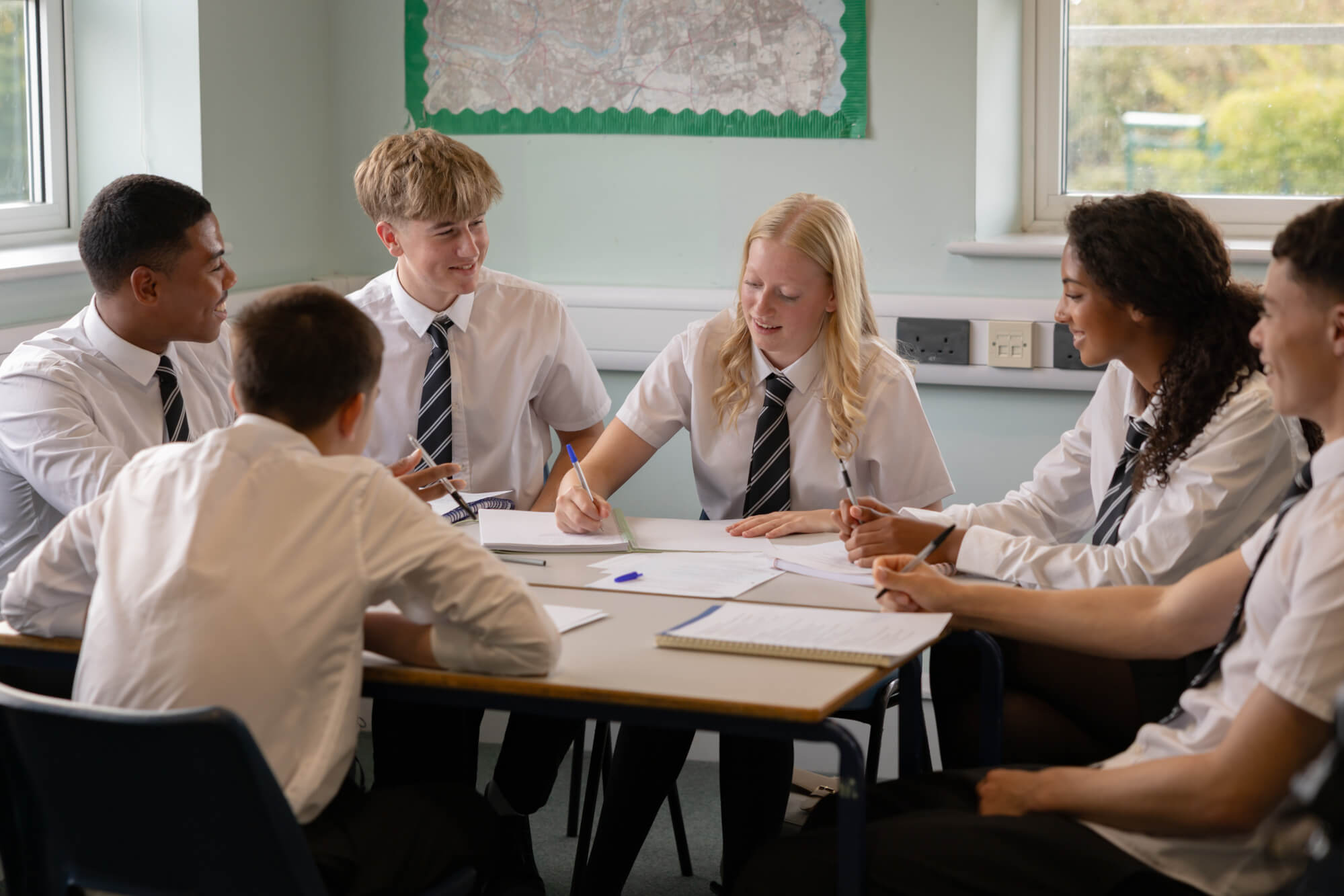
This week, schools across the UK are invited to take part in Children’s Mental Health Week, an annual initiative led by the children’s mental health charity, Place2Be. The week aims to promote positive mental health, raise awareness of emotional wellbeing, and help children and young people feel supported, understood and valued.
The 2026 theme, ‘This is My Place’, encourages schools, families, and communities to consider how a sense of belonging, in friendship groups, classrooms, and wider society, can support young people’s emotional well-being.
Mental health is central to young people’s development, learning and quality of life. Recent NHS England evidence reveals that:
- Around 1 in 5 children and young people in the UK have a probable mental health condition, such as anxiety or depression;
- Many mental health challenges emerge early; with half of all lifetime mental health problems starting by the age of 14;
- Schools are often the first place where children get help, with a significant proportion accessing support through education settings.
These figures highlight why education settings plays such a vital role in promoting emotional well-being, nurturing resilience, and building environments where young people feel safe to talk about how they’re feeling.
There are practical examples of practice which schools can integrate into assemblies, tutor time, PSHE/RSHE and wellbeing programmes to promote and support children’s wellbeing. Practical examples include:
Whole-School or Setting Assembly
Theme: ‘This is My Place – Feeling Safe, Seen and Supported’
Using age-appropriate stories, examples and visuals, the topic should focus on:
- What mental health and well-being mean
- How kind words, friendships and trusted adults can provide support
- How pupils can access help and support if they are worried or unhappy
Class or Tutor Time Reflection
Theme: ‘What helps me feel like I belong?’
Safe conversations should include:
- What makes you feel happy and safe at school?
- Who is available to help you if you feel worried?
- What can we all do to help others feel included?
Appropriate mediums facilitate this activity e.g. younger pupils can draw or write; older pupils can discuss or reflect.
PSHE / RSHE / Health & Well-being Lesson
Theme: ‘Understanding feelings and getting support’
Activities can include:
- Learning to name different emotions
- Identifying trusted adults and support networks
- Talking about how to cope with worries
- Simple wellbeing plans or journals
This links to statutory well-being and RSHE guidance.
Peer Support and Friendship Activities
Encourage:
- Buddy systems
- Kindness challenges
- Anti-bullying and inclusion activities
- Peer mentors or wellbeing champions (for older pupils)
These activities strengthen connections and reduce isolation.
Well-being Spaces or Corners
Create quiet areas for:
- Calm breathing
- Colouring, journaling or relaxation
- Reading positive messages
- Accessing information about support
These are particularly helpful for anxious or overwhelmed pupils.
Staff Wellbeing and Safeguarding Briefing
Remind staff:
- How mental health affects learning and behaviour
- How to notice when a child may be struggling
- How to record and refer concerns
- How to look after their own wellbeing
A supported staff team supports pupils better.
Student-Led or Pupil-Led Activities
Children and young people can:
- Design posters about kindness and belonging
- Create poems, videos or artwork
- Share messages about mental health and support
This helps normalise conversations and reduce stigma.
Signposting & Support
Ensure pupils know:
- Who they can talk to in school
- How to ask for help
- What national and local support is available
All pupils should know who the school safeguarding team, pastoral and/or inclusion staff and the Senior Mental Health Lead are; and where appropriate helplines such as Childline, YoungMinds and Samaritans.
Good mental health and wellbeing is a foundation for learning, relationships and life outcomes. Children’s Mental Health Week reminds us that belonging, connection, and safe conversations are core to children and young people’s wellbeing. Schools are uniquely positioned to build everyday cultures of support and inclusion, normalise talking about feelings, and promote coping skills to prevent escalation.
SSS Learning
11 February 2026