Allergy Management: Spare Adrenalin Injectors
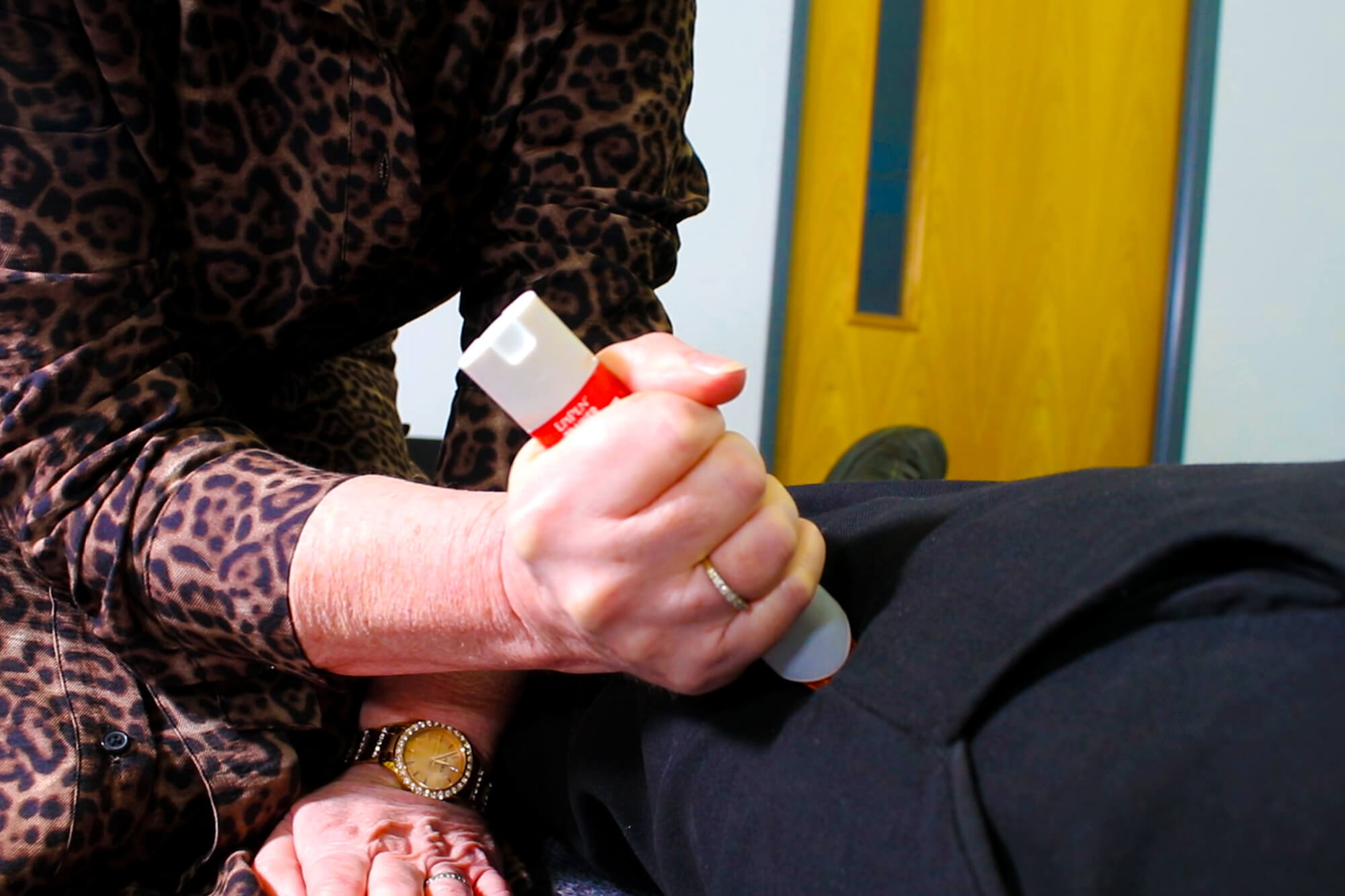
The most frequent questions received by our specialist support service since the introduction of the new statutory Allergy Safety Guidance, have been on the management and use of ‘spare’ adrenalin devices. In this article we clarify the key requirements of the guidance and guide best practice for schools.
The guidance, which came into effect from July this year, currently ‘expects’ all schools to stock ‘spare’ adrenalin devices of the correct dosages for use in emergency situations. Schools should be aware that HM Government intends to introduce further legislation to introduce a statutory duty, where schools must hold a stock of ‘spare’ devices.
From our contact with schools, there has been some confusion of dosage given that the DFE guidance details dosage by age and the DSHC guidance details dosage by weight. The table published by the DFE is more practical to apply in an educational setting and illustrates the expected number of devices and dosages.
| School type | AAIs for children under age 6 years (150 micrograms) e.g. EpiPen Junior, Jext 150 |
AAIs for individuals over 6 years of age (300 micrograms) e.g. EpiPen, Jext 300 |
|---|---|---|
| State-funded nursery school | 1 pair of "spare" AAIs | n/a |
| Primary school | 1 pair of "spare" AAIs | 1 pair of "spare" AAIs |
| Secondary school | n/a | 1 or 2 pairs of "spare" AAIs* |
| Special school | 1 pair of "spare" AAIs | 1 pair of "spare" AAIs |
As these devices should be available within 5 minutes of wherever they are needed, larger school sites should consider holding additional stock and where schools operate on multiple sites, stock should be held in each location.
The queries we have received demonstrate there has been much confusion not only about quantity and dosages, but also around the use of ‘spare’ devices i.e. How will I know to administer the AAI?, How will I know which AAI dosage is suitable, What do I do if it is a first time suspected anaphylaxis event?
This has in part been confusing as readers of the DFE guidance are directed to the DSHC guidance, so schools currently have to amalgamate information from both documents. For example, the DSHC guidance states: ‘The school’s spare AAI should only be used on pupils known to be at risk of anaphylaxis, for whom both medical authorisation and written parental consent for use of the spare AAI has been provided.’ The DFE guidance does not explicitly say this.
Clarification
So, to clarify, ‘spare’ devices may be used for pupils known to be at risk of anaphylaxis and who have been prescribed self-administered adrenalin. The dosage of the ‘spare’ device must match the dosage of the prescribed device.
As pupils prescribed with adrenalin devices should have rapid access to their devices at all times, the need to use a spare device should be a rare occurrence e.g. if the pupil’s adrenalin device misfires and fails to work, or if the pupil’s device cannot be located.
Although schools will have both medical and parental consent to administer a pupil’s prescribed adrenalin device, we would recommend informing parents that a ‘spare’ device may be used should an emergency occur. This is not a statutory requirement, however it is best practice and will ensure parents are fully informed of additional safeguarding measures that may be taken by the school if needed.
As the DFE guidance states, up to 20% of anaphylaxis reactions in schools happen in children without a pre-existing diagnosis of allergy. In such cases there will be no prescribed medication available or consents obtained.
In such an emergency situation, where anaphylaxis is suspected, schools may administer medication using the ‘spare’ device however, this should be administered under the direction of the emergency services.
In the rare event where anaphylaxis is suspected and contact cannot be made immediately to the emergency services, under Regulation 238 of the Human Medicines Regulations, staff and volunteers can legally administer a ‘spare’ device to save a life in an emergency, even without formal training.
Understanding the above is a key part of robust allergy management. It is essential that the guidelines are understood and a whole-school approach is taken to enable all staff to respond effectively in emergency situations.
SSS Learning
30 September 2026