Clarity on the Use of Spare AAIs in schools
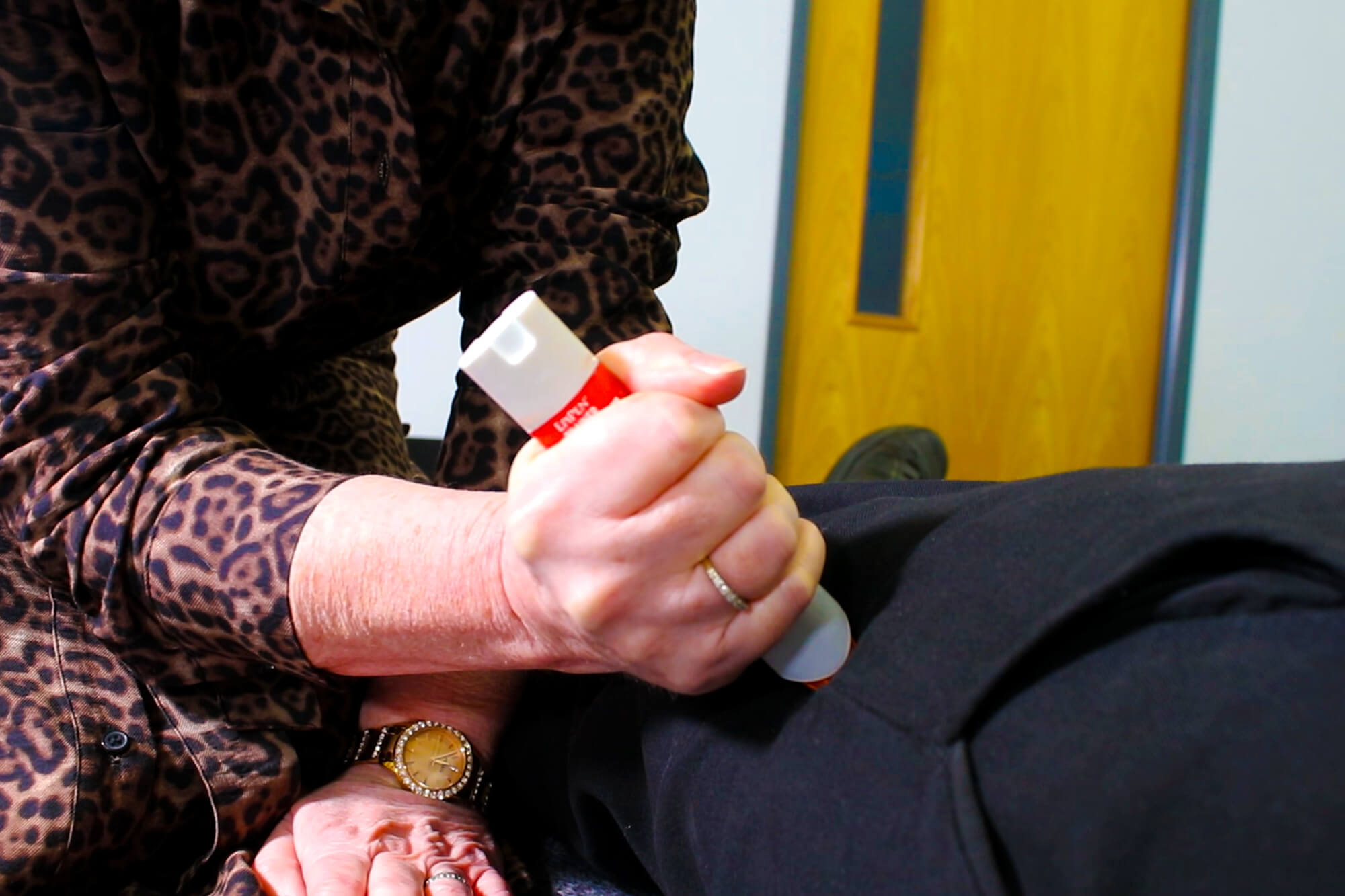
In line with the latest DfE guidance, Allergy safety in schools statutory guidance, schools may purchase spare AAIs for emergency use.
Guidance in terms of how many AAIs, and which doses, should be purchased can be found in Using emergency adrenaline auto-injectors in schools, published by the Department of Health and Social Care (DHSC).
There seems, however, to be some confusion as to the purpose of holding spare AAIs, particularly for “first event” severe allergic reactions.
In DHSC guidance, it clearly states:
Schools may administer their “spare” adrenaline auto-injector (AAI), obtained, without prescription, for use in emergencies, if available, but only to a pupil at risk of anaphylaxis, where both medical authorisation and written parental consent for use of the spare AAI has been provided. The school’s spare AAI can be administered to a pupil whose own prescribed AAI cannot be administered correctly without delay.
The wording “without prescription” has led to different interpretations. For clarity, in this instance it means that the school is not required to have a medical prescription. As the spare AAIs are not being purchased to support any one individual pupil, no prescription is needed.
In terms of dosage, the dosage of the spare pen should match the dosage of the prescribed pen.
Situational examples may include not being able to locate the AAI prescribed to the pupil, an AAI being out of date, or a faulty device which has not fired. Whilst it is not possible to mitigate against a faulty device, good practice measures will ensure that in-date medication is always available throughout the school day.
So, can these spare AAIs be used in “first event” situations, where the pupil has not previously had a severe reaction, been prescribed an AAI, and where parental consent has not been obtained?
The guidance is clear that:
In the event of a possible severe allergic reaction in a pupil who does not meet these criteria, emergency services (999) should be contacted and advice sought from them as to whether administration of the spare emergency AAI is appropriate.
If it is not possible to gain emergency service support, under The Human Medicines (Amendment) Regulations 2017, consent does not have to be obtained for spare adrenaline devices to be used in an emergency. In such emergency situations, anyone may take reasonable action to save a life without checking whether prior consent has been given, in order to avoid delays in treatment.
It is vital that all staff understand this information on the use of spare devices to avoid any confusion. Crucially, all staff must know where the spare AAIs are stored on site so they can be accessed quickly.
Thought should also be given to the provision of spare AAIs on educational visits, particularly residential visits. As the guidance states, this should not cause a lack of spare adrenaline devices on school premises.
School policy should reflect all of this information and detail the training provision for staff.
SSS Learning
13 July 2026