Safeguarding Implications - the Festive Season
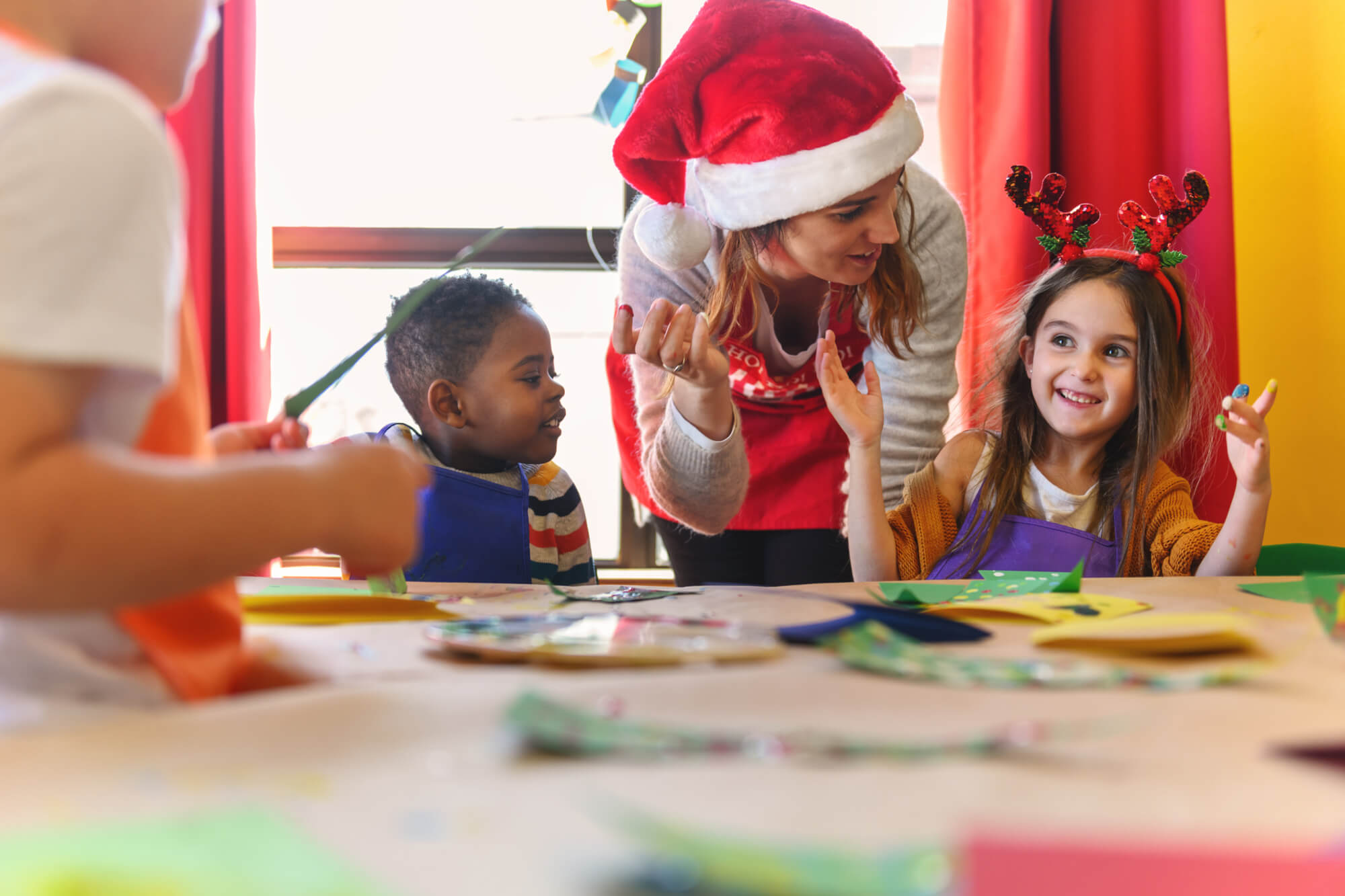
As December arrives and schools prepare to close for the festive season, everything feels different. Decorations go up, rehearsals replace lessons, and the usual routines shift.
For safeguarding staff though, this time of year brings more than the excitement of concerts and celebrations. It is a period when some children become more vulnerable, sometimes in ways that are easy to miss.
Christmas events are part of the fun, but they bring extra safeguarding responsibilities. There may be visitors who do not usually work with children, evening activities, crowded halls, and lots of excitement. Schools need clear supervision, proper checks on volunteers, and safe photo-sharing practices. If collection routines or consent rules slip ‘because it’s Christmas’, children can easily become unsafe.
At this time of year, the pattern of daily school life changes. It is important to consider that once the usual timetable pauses, children lose the structure of routines that help them feel secure. The friendly check-ins with adults at school, the safe space of the classroom, or the homework club they rely on may not be there during this time and, when those protective moments disappear, risk can grow quietly in the background.
The winter months place more pressure on household budgets. Families, not only have to cope with higher food and heating bills, but face the pressure of providing presents, economic strain which can create arguments or emotional strain.
The festive season is widely recognised as a pinch point for domestic abuse. Higher stress levels, increased isolation from wider support networks, and time spent behind closed doors can escalate controlling behaviour or violence. Alcohol consumption is also more prevalent this time, which can add to / escalate conflict and may result in children caring for adults who are not coping.
Children may be subjected to adverse childhood experiences by witnessing or be directly affected by harm. Some may even try to take on responsibility for keeping the household calm. Others may be left without reliable care if adults are in crisis.
These pressures do not stay at home. Children carry the worry with them into school, shown through anxiety, tiredness, or withdrawal during the final weeks of term and when they return in January.
Gifting also presents new safeguarding risks. Gifts such as phones, gaming devices, or tablets can give children instant access to the online world, which is not always safe. Online safety is crucial, without privacy settings or adult guidance, children may be exposed to harmful content, pressure to share personal information or other abusive coercion.
Some children do not look forward to Christmas. They might feel lonely, especially if they struggle socially, have special educational needs, or live in difficult family situations. Being away from trusted adults and supportive friends for two weeks can make them feel isolated. Seeking comfort online or taking risks may become more likely.
As a result, January is a key time for school staff to be observant and reinforce online safety messages. Returning pupils might not openly talk about their break, so staff should be vigilant of the quieter signs: changes in mood, distancing from friends, or sudden behaviour shifts.
Safeguarding cannot take a holiday. To keep children protected, school should:
- Make sure everyone knows who to contact if concerns arise over the festive break.
- Remind staff and volunteers about their responsibility to report anything worrying, no matter how small.
- Review risks linked to seasonal activities, dark evenings, and travel to unfamiliar venues.
- Provide parents simple advice on how to set up new devices safely.
- Keep signposting visible so families know where to find help if they are struggling.
- When pupils return, take time to ask about their break and pay attention to behaviour changes.
For safeguarding teams, Christmas is not just a festive season. It is a time when some children face greater risk, even while they appear to be enjoying the school celebrations. When staff stay alert, ask curious questions, and protect routines where possible, they strengthen the safety net at a crucial time.
By planning ahead and staying connected to families, schools can help ensure that all children feel supported. With the right attention and care, safeguarding remains strong from the final bell of December to the fresh start of January, giving every child the chance to step into the new year feeling safe and seen.
SSS Author & Former Headteacher
8 December 2025