Domestic Abuse and Sexual Violence
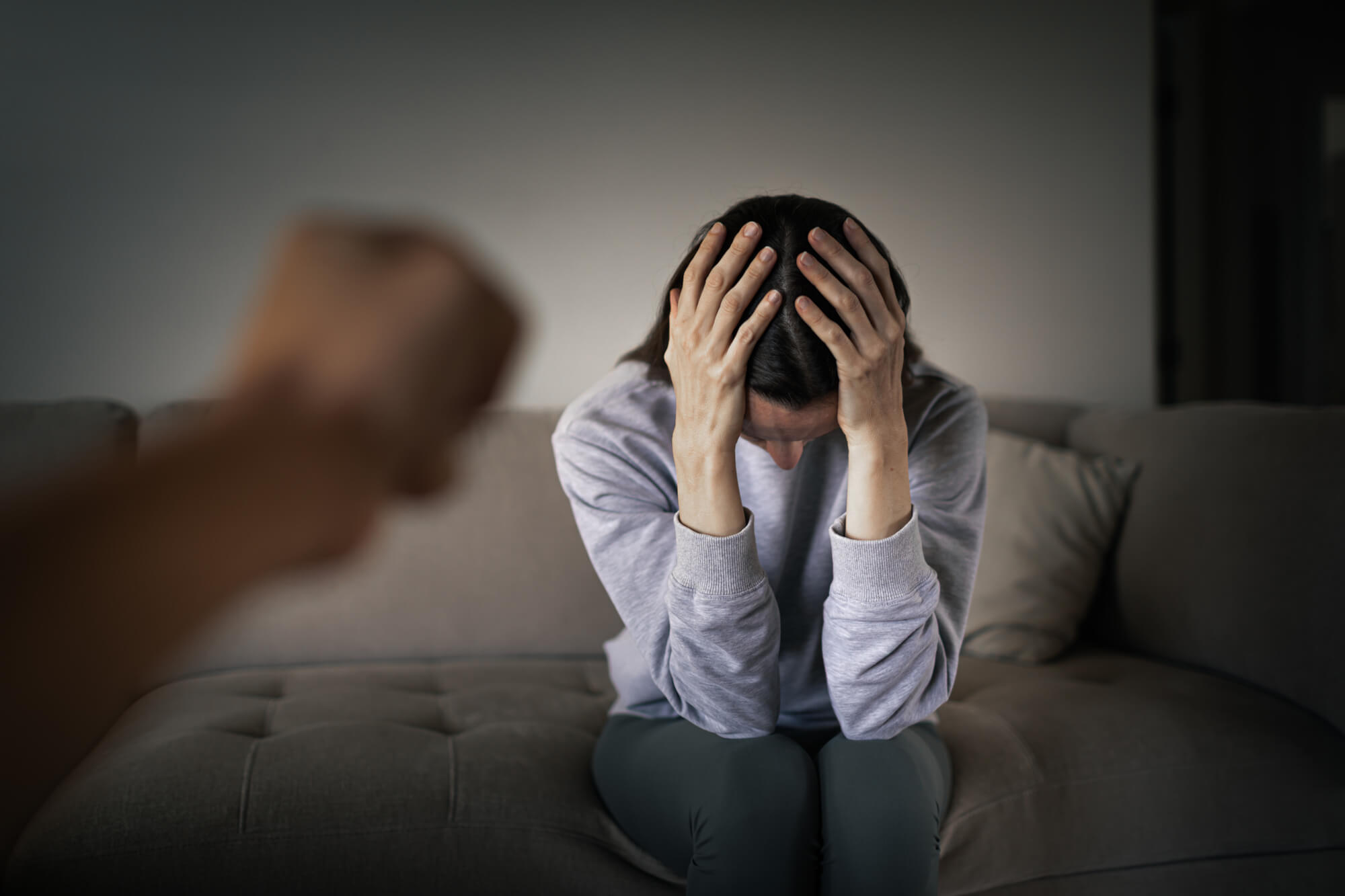
Domestic abuse and sexual violence are significant safeguarding concerns, affecting individuals, families and communities. Increasing awareness and understanding of the impact of this abuse plays an important part of prevention, early identification and developing effective support.
Domestic abuse and sexual violence are widely recognised as serious safeguarding issues affecting both adults and children. Children who live in households where domestic abuse occurs may experience emotional harm, trauma and long-term impacts on wellbeing. Even where they are not directly physically harmed, children witnessing or living in households where domestic abuse occurs should be regarded as victims of abuse.
Safeguarding Frameworks
Exposure to domestic abuse is recognised within safeguarding frameworks as a factor that can significantly affect children’s development, emotional health and sense of safety. For professionals working with children and families, understanding the dynamics of abuse is therefore an important part of safeguarding practice.
Domestic abuse can take many forms. While physical violence may be the most visible, abuse may also include emotional abuse, coercive control, financial abuse and psychological harm. Sexual violence and sexual coercion may occur both within relationships and outside them. Understanding this range of abusive behaviours helps professionals identify potential risks and respond appropriately.
Exposure to abuse can affect a child’s sense of safety and stability. Children may worry about the wellbeing of a parent or family member, feel pressure to manage conflict within the household or experience confusion about what constitutes a healthy relationship.
The Role of Schools and Colleges
Schools and colleges are often among the most consistent environments in a child’s life. Positive relationships with trusted adults, including teachers, pastoral staff and safeguarding leads, can provide opportunities for children to share concerns or seek help.
Education settings, therefore, play an important role in providing stable, predictable and supportive environments for children who may be experiencing difficulties at home.
Observations by School Staff
Staff may observe indicators such as changes in behaviour, anxiety, unexplained absences or reduced engagement in learning. While these signs do not always indicate domestic abuse, they may suggest that a child is experiencing stress or trauma related to their home circumstances. Victims may feel isolated or fearful about disclosing abuse. In some situations, individuals may not recognise that their experiences constitute abuse, particularly where coercive control or emotional manipulation are involved.
Education settings also play an important preventative role in helping young people develop an understanding of healthy relationships, consent and respect. Through relationships education and wider safeguarding provision, pupils can learn about personal boundaries, recognising unsafe situations and how to seek support if needed.
Providing age-appropriate opportunities to explore these topics, helps build confidence and resilience.
Early Help and Multi-agency Working
Where children may be affected by domestic abuse, early help approaches and multi-agency working can play an important role in ensuring appropriate support is in place. It is essential for schools to be aware of local and national specialist organisations, who can provide confidential advice, advocacy and practical support to individuals affected by abuse.
Services may include helplines, counselling, refuge accommodation and support for individuals navigating legal or protective processes. Improving awareness of available support can help reduce barriers to seeking help and encourage earlier intervention.
All professionals working with children and young people play an important role in recognising concerns, responding appropriately and helping create environments where individuals feel safe. Strengthening understanding and promoting supportive responses, ensures that individuals affected by abuse are recognised and sensitively supported.
SSS Author & Former Headteacher
7 April 2026