Safeguarding: Recognising and responding to children affected by emotional abuse
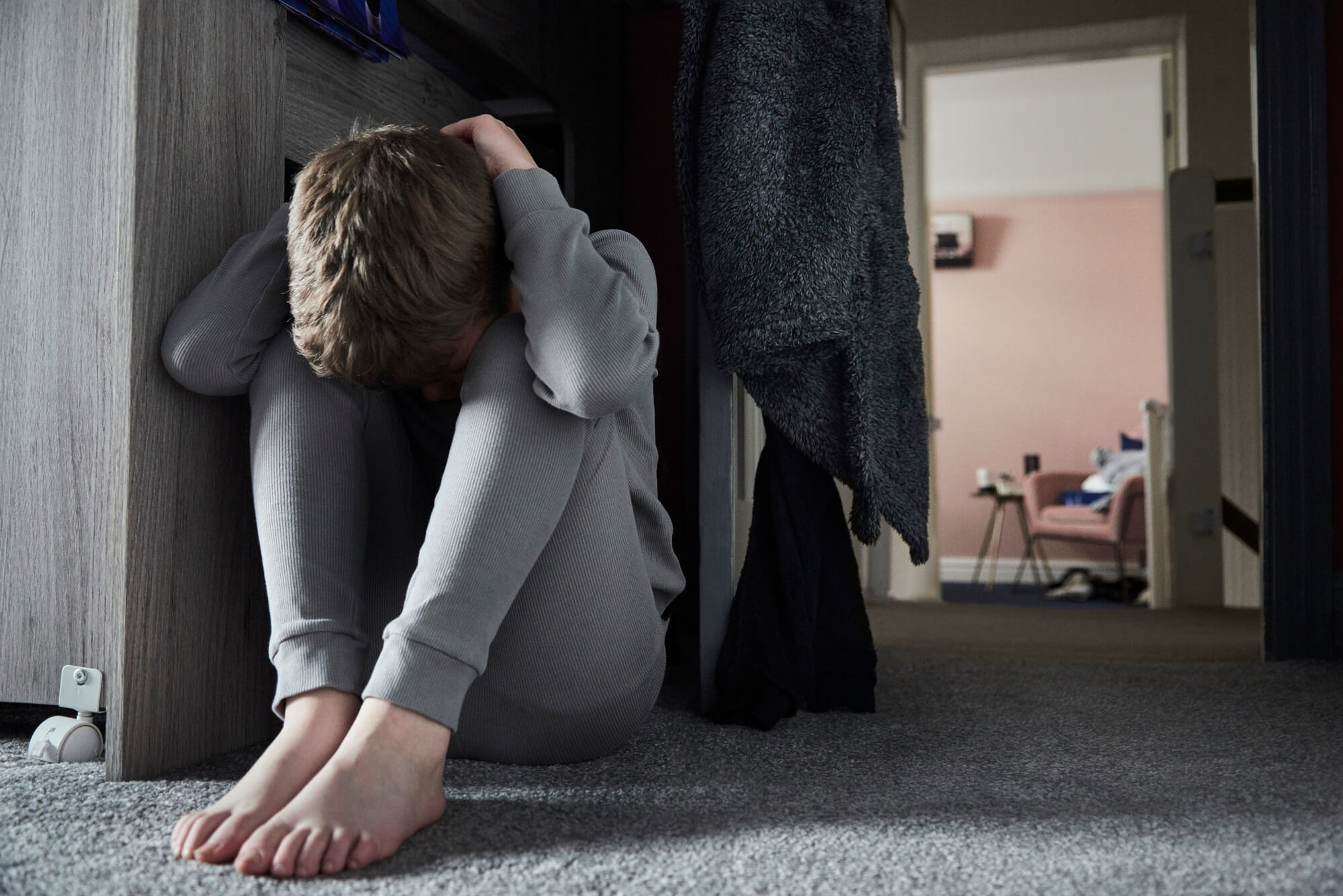
When people think about child abuse, images such as bruises, broken bones or online offences may come to mind. Yet one of the most damaging forms of harm experienced by children is often far less visible: emotional abuse.
Unlike physical abuse, emotional abuse rarely leaves physical marks. Instead, it gradually undermines a child’s sense of self-worth, distorts their understanding of relationships and affects their emotional development. Children may experience repeated humiliation, intimidation or criticism, or grow up in environments where their emotional needs are ignored or dismissed.
The Role of Schools and Safeguarding Professionals
For schools and safeguarding professionals, recognising and responding to emotional abuse is essential. Because it is often subtle and cumulative, it can be overlooked until the impact on a child’s wellbeing and development becomes significant.
What is Emotional Abuse?
Emotional abuse occurs when a child’s emotional development and sense of identity are repeatedly undermined. This may involve behaviours such as humiliation, rejection, intimidation, scapegoating or persistent criticism. It can also arise when caregivers fail to provide the emotional support, warmth and responsiveness that children need to develop securely.
In some situations, emotional abuse may involve placing inappropriate expectations or responsibilities on a child, expecting them to manage adult emotions or take on roles beyond their developmental stage. Exposure to domestic abuse or coercive control between adults can also constitute emotional abuse, even when the child is not directly physically harmed.
Because emotional abuse often occurs through repeated patterns of interaction, it can be difficult to identify. However, the effects can be profound and long-lasting.
In the UK, research indicates that around one in fifteen young people aged 11–17 report having experienced emotional abuse during childhood.
A systematic review examining violence against children found that emotional maltreatment had a prevalence of approximately 11.8% across self-reported experiences of childhood maltreatment.
Indicators are that emotional abuse and emotional neglect are among the most prevalent forms of childhood maltreatment and may lead to significant long-term mental health consequences however, public understanding of emotional abuse also remains uneven.
As emotional abuse may not produce visible signs, schools are often among the first places where early indicators may be identified. Children experiencing emotional abuse may present with a range of emotional or behavioural difficulties.
Some pupils may demonstrate low self-esteem, persistent anxiety, withdrawal or difficulties regulating their emotions. Others may struggle to form friendships or appear unusually sensitive to criticism. In some cases, teachers may notice a decline in academic engagement or increased risk-taking behaviour.
Emotional abuse may occur alongside other forms of maltreatment, but it can also occur in isolation. This means that children may not always be identified through safeguarding indicators commonly associated with physical or sexual abuse.
Emotional maltreatment can affect brain development, executive functioning, stress response systems and emotional regulation. Because this harm develops gradually, behavioural signs may appear only after a child has already experienced significant disruption to their wellbeing and relationships.
For these reasons, emotional abuse requires the same level of safeguarding attention as more visible forms of harm.
As such, schools play an essential role in protecting children by creating environments where pupils feel safe, respected and supported. Developing trusted relationships between pupils and staff is one of the most important protective factors. When children feel listened to and understood, they are more likely to share concerns or express emotional distress.
Addressing emotional abuse requires careful attention to how concerns are interpreted and managed. Emotional distress should not be dismissed as typical adolescent behaviour or described simply as a normal part of growing up.
It is also important not to assume that pupils who appear well behaved or academically successful are unaffected by emotional harm. Emotional abuse can occur in situations where children feel pressure to meet high expectations or maintain a particular image.
Waiting for dramatic incidents before acting can also be problematic. Emotional abuse is often cumulative and hidden, meaning that by the time a crisis occurs, significant harm may already have taken place.
Schools should also be mindful of wider adult factors that may contribute to emotional harm within families, including parental stress, domestic abuse, unresolved trauma or mental health difficulties.
Staff Training
Staff training is also critical. Teachers, support staff and governors should understand what emotional abuse may look like, including subtle forms such as emotional neglect, unrealistic expectations, social isolation or persistent criticism. Safeguarding policies should clearly reference emotional abuse and ensure that concerns are addressed even when physical signs are absent.
Schools should also remain attentive to less obvious indicators such as mood changes, persistent sadness, reluctance to participate in activities, high anxiety about performance or relationships, self-criticism, perfectionism or social isolation.
Supporting pupils’ emotional development is equally important. Programmes that focus on emotional regulation, resilience and wellbeing can help children learn how to recognise emotions, develop coping strategies and build healthy relationships.
Working constructively with parents and carers can also support prevention. Helping families understand the importance of emotional warmth, realistic expectations and responsive communication can strengthen children’s emotional environments.
Creating spaces where children feel seen, heard and safe to express their experiences is a critical part of safeguarding practice.
SSS Learning
20 April 2026