Communication Methods as a Safeguarding Duty: Reducing Risk and Supporting Non-Verbal Children
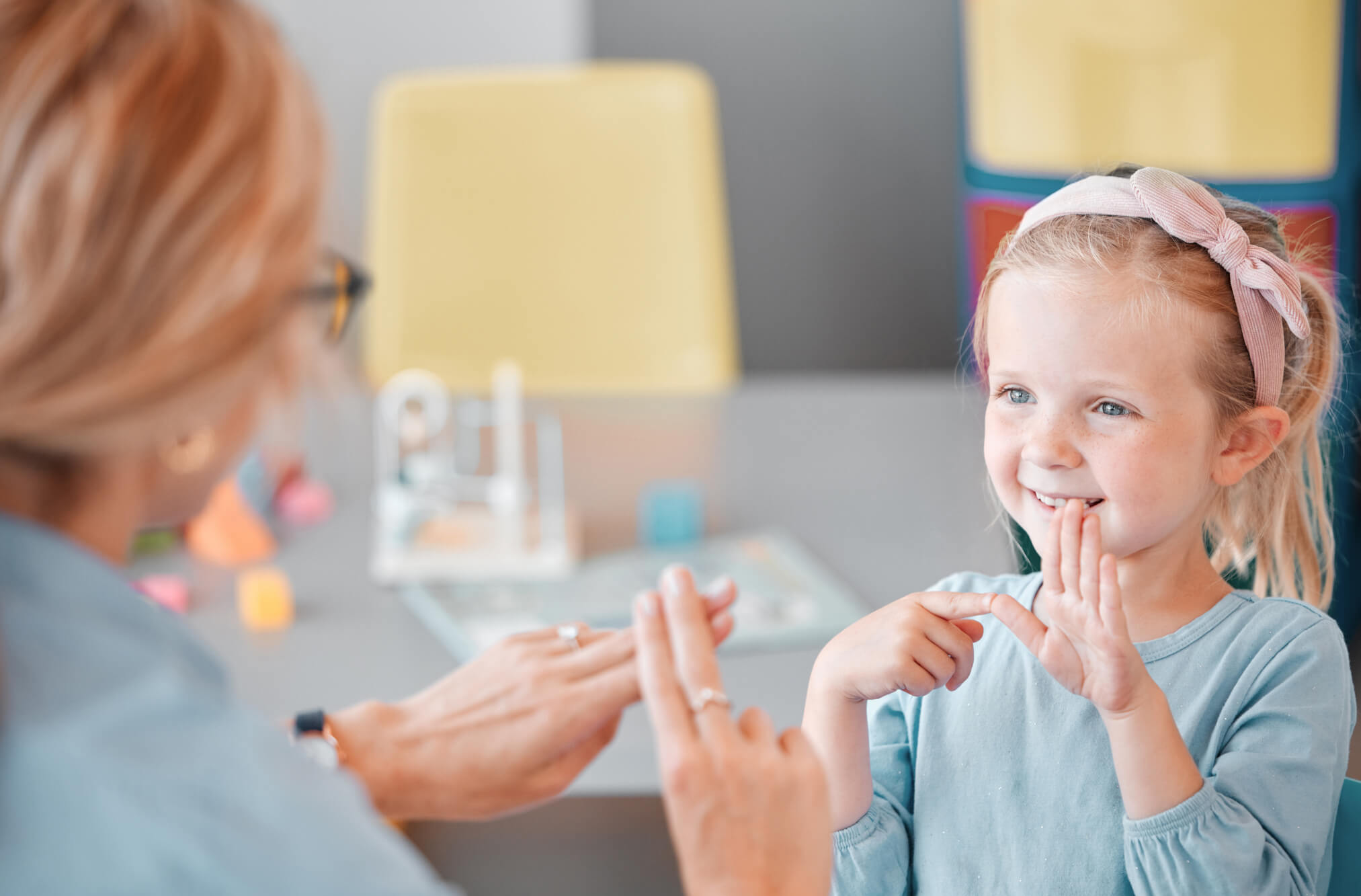
Children with special educational needs and / or disabilities face significantly higher safeguarding risks than their peers.
Keeping children safe in education (KCSIE) and other guidance highlight how communication barriers, dependence on adults and misinterpretation of behaviour all contribute to increased vulnerability. Research also shows that disabled children are three to four times more likely to experience abuse yet are less likely to be able to tell someone or be recognised as at risk.
Communication support is therefore a safeguarding intervention, not simply a SEND tool.
Communication Barriers Increase Safeguarding Risk
Key risk factors identified in research show that children with communication needs often depend on a small number of adults to interpret their signals, which reduces opportunities for independent disclosure.
Research also reveals that behaviours communicating distress (withdrawal, aggression, regression) are frequently mistaken for ‘part of the condition’ rather than indicators of harm (Stalker & McArthur (2012). Child abuse, child protection and disabled children: a review of recent research. Stalker (2012) Child Abuse Review - Wiley Online Library). Lack of accessible vocabulary prevents children from expressing pain, fear or unsafe experiences. Children who cannot reliably communicate 'no', 'stop' or 'that hurts' during intimate care, restraint, or medical procedures are at greater risk of harm.
For DSLs and senior leaders, this means communication methods must be woven into risk assessments, support plans and safeguarding procedures.
Evidence-Based Communication Approaches as Protective Strategies
Building on the approaches outlined in our previous article, ‘Supporting Communication for Children with Additional Needs’ , each communication method plays a critical role in safeguarding. When children have reliable ways to express themselves, the barriers that often prevent disabled or non-verbal children from being heard are significantly reduced. Support includes:
AAC (Augmentative and Alternative Communication)
From a safeguarding perspective, AAC gives children the tools to:
- refuse or reject something (‘no’, ‘stop’)
- express emotions or discomfort
- communicate worries about people or situations
This makes AAC a critical mechanism for enabling the voice of the child and reducing vulnerability.
PECS & Symbol Systems
In safeguarding terms, PECS offers immediate, accessible symbols for:
- ‘hurt’
- ‘worried’
- ‘help’
- ‘stop’
These provide children with a direct way to communicate pain, fear or negative experiences. This is especially important for those who cannot rely on speech.
Signing / Makaton
Makaton and signing support safeguarding by giving children rapid, portable ways to communicate:
- ‘help’
- ‘stop’
- ‘no’
- ‘unsafe’
For some pupils, particularly Deaf children using BSL, signing is their primary language, making it essential for enabling disclosure.
Visual Supports
For safeguarding, visual supports help children understand:
- who the safe adults are
- what help looks like
- what will happen if they tell someone they’re worried
Visuals also support predictable routines, reducing stress that may mask underlying safeguarding concerns.
Social Stories™ and Narrative Supports
Social Stories™ can help prepare children for difficult, emotionally loaded or unfamiliar situations, including:
- meeting a social worker
- attending medical appointments
- changes in living arrangements
- talking about worries
By presenting events in a calm, visual and predictable format, they help children understand what to expect and make it easier to express concerns or feelings.
Interaction-Based Approaches (e.g., Intensive Interaction)
For many non-verbal or highly anxious children, interaction-based approaches create the trust necessary for:
- showing distress safely
- signalling discomfort
- expressing preference or rejection
- building the relational confidence needed to disclose harm
This aligns with Milton’s ‘double empathy problem’, which frames communication difficulty as a two-way mismatch, not a deficit. This strengthens the case for responsive, child-led approaches in safeguarding.
How Educational Professionals Can Apply This in Daily Safeguarding Practice
Use communication methods during welfare checks
DSLs should actively use AAC, visual symbols or signing when asking children about their well-being. This mirrors best practice in research on safeguarding children with a disability.
Develop communication passports as safeguarding tools
These documents should articulate:
- how the child expresses yes/no, fear, pain or discomfort
- signs of emotional distress
- preferred communication methods
- who the child feels safest with
Case review analyses repeatedly show the absence of personalised communication guidance contributes to missed harm.
Teach protective behaviours using visuals, signs and AAC
Use visuals, signing and AAC to teach key safeguarding concepts such as private vs public, safe vs unsafe touch, and ‘who can help me?’. Presenting these ideas in clear, accessible formats helps children understand boundaries, recognise when something feels wrong, and know how to seek support, directly strengthening their ability to use their voice.
Ensure more than one safe adult understands the child’s communication system
Reliance on a single interpreter can mask abuse. Research stresses that multiple adults must be able to understand the child's communication, so concerns can be raised confidentially.
Record the child’s voice accurately
Professionals should incorporate symbol choices, AAC selections, emotional scales, and behavioural indicators directly into safeguarding records. This approach is recommended in serious case reviews involving non-verbal children.
Embedding Communication in Safeguarding Policy and Culture
To meet statutory duties (KCSIE; Working together to safeguard children), schools should:
- include communication methods in every child’s risk assessment
- ensure safeguarding training covers AAC, signing, visuals and interaction-based approaches
- provide specialist support from SLTs and Educational Psychologists
- adapt reporting mechanisms (worry boxes, digital forms) with symbol or simple-language versions
- ensure interpreters or signing professionals are available where required
- train midday supervisors, support staff and volunteers alongside teachers
This creates a whole-school culture where the child’s voice is consistently accessible.
The evidence is clear, providing children different ways to communicate, through AAC, PECS, signing, visuals, stories or interaction, is effective not only for learning but essential for safeguarding. When communication barriers are removed, children with additional needs can express how they feel, say when something is wrong, and get help more easily.
For DSLs, SENCOs and all school staff, making sure every child has a communication method that works for them is one of the most powerful ways to keep them safe, support their wellbeing and help them take part fully in school life.
SSS Learning
3 December 2025