Practical Strategies for School Anxiety (SEND)
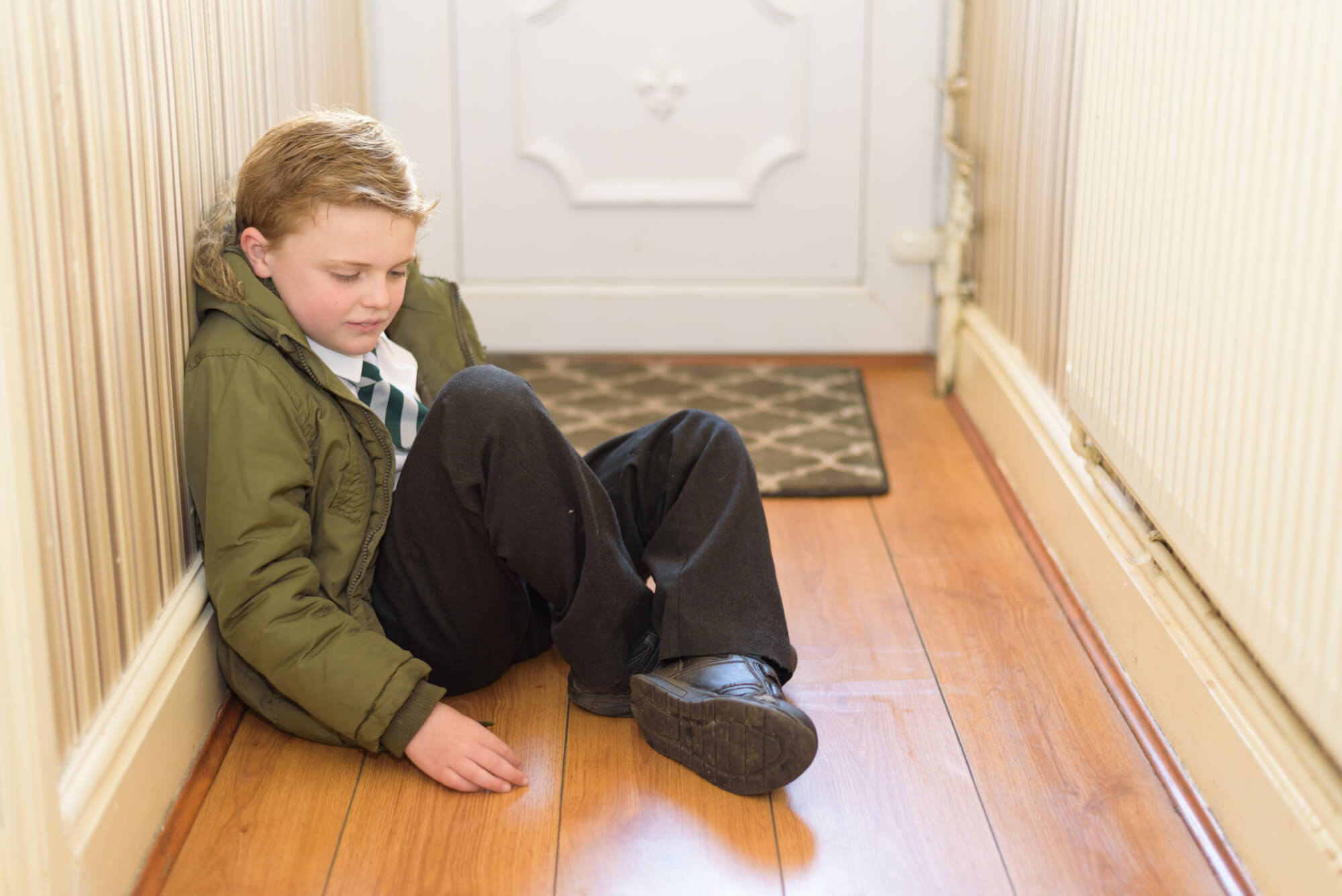
School anxiety is now one of the most common difficulties and it is particularly prevalent among pupils with special educational needs and/or disabilities (SEND).
Many children with SEND experience barriers to attendance and learning linked to anxiety, sensory overwhelm, or fear of failure. For some, even the journey to school can trigger physical symptoms; for others, anxiety builds quietly until attendance collapses completely.
The challenge for schools is not just recognising this anxiety, but responding early, flexibly, and compassionately, to enable children to feel safe and learn.
School anxiety is not a refusal to learn, it is an emotional and physiological response to perceived threat or feeling overwhelmed. For pupils with SEND, these threats may be more intense or frequent due to sensory processing difficulties, where noise, lighting or crowds cause distress, and communication differences, especially in autistic pupils who struggle to express fear or confusion. Executive functioning challenges may lead to anxiety about transitions, organisation, or unstructured time. Learning difficulties can create chronic fear of failure or embarrassment and social communication difficulties can make peer interactions unpredictable and exhausting.
Department for Education guidance Promoting and supporting mental health and wellbeing in schools and colleges - GOV.UK and the SEND Code of Practice both stress that behaviour and attendance should always be viewed through a ‘needs’ lens, not a compliance lens.
Recognising the signs of school anxiety can be challenging. In pupils with SEND it may present differently from typical patterns.
Key indicators include:
- Physical symptoms
- headaches, stomach aches, dizziness, or nausea before school.
- Emotional withdrawal
- silence, shutdown, avoidance, or “masking” behaviour during lessons.
- Escalation at transition points
- meltdowns before leaving home or re-entering class.
- School refusal patterns
- increasing lateness, partial attendance, or non-attendance.
- Task avoidance
- perfectionism, over-compliance, or apparent defiance when asked to start work.
- Changes
- in sleep, appetite, or social behaviour.
Crucially, it is important to avoid assuming that ‘quiet equals calm.’ Many anxious pupils, particularly those with autism or speech and language needs, internalise distress until it reaches crisis point.
There is also a safeguarding context as school anxiety may have safeguarding implications. In line with Keeping Children Safe in Education (KCSIE), persistent non-attendance or unexplained absence should always trigger enquiry, particularly where anxiety masks unmet need, bullying, or emotional abuse. Anxious behaviour may also indicate emerging mental health difficulties, such as depression, trauma response, or self-harm risk.
Staff should report concerns, liaise with the Designated Safeguarding Lead (DSL), and Special Educational Needs Coordinator (SENCO).
There are many contributing factors within the school environment which may trigger school anxiety. This includes unstructured or chaotic transitions between lessons, noisy corridors and crowded dining halls. Curriculum pressure without sufficient scaffolding, use of supply staff unfamiliar to pupils and behaviour policies which rely on sanctions rather than support also contribute negatively, as does inconsistent adult responses when distress occurs. Such potential triggers are modifiable, however addressing them effectively requires whole-school reflection on how inclusive the environment truly is.
There are practical strategies that schools can take to reduce school anxiety. This includes:
- Creating Predictable Structure such as providing visual timetables, transition cards, and advance warnings of change. Use of clear language, avoiding idioms or vague instructions. Offering consistent routines and identifiable safe spaces.
- Supporting Regulation and Emotional Safety by creating low-arousal environments e.g. soft lighting, calm colours, access to quiet zones. Allowing movement breaks, fidget tools, or sensory supports without stigma. Teaching regulation strategies explicitly through PSHE, nurture groups, or one-to-one work. Identifying trusted adults who pupils can and feel able to approach before anxiety escalates.
- Strengthening Relationships by prioritising relational consistency where pupils are supported by staff who they are familiar with wherever possible. Using ‘check-in and check-out’ systems to help start and end the day calmly. Employing emotion coaching techniques to validate feelings before attempts at problem-solving.
- Flexible Curriculum and Timetable Adjustments. Where attendance is fragile, consideration should be given to phased reintegration or hybrid attendance plans (home learning combined with in-school sessions). Differentiated expectations and assessment methods to reduce performance anxiety. Using interest-based learning and strengths-focused planning to rebuild confidence.
- Working with Parents and Carers by approaching non-attendance with curiosity, not blame. Scheduling joint planning meetings to agree manageable goals. Providing clear communication channels (e.g. morning check-ins or text updates). Offering or signposting to parental wellbeing support, parental anxiety often mirrors the child’s experience.
- Multi-Agency Collaboration by early involvement of educational psychologists, CAMHS, speech & language therapists, and other therapists where appropriate. Ensuring EHCP reviews explicitly reference anxiety management and access to emotional regulation support. Considering Early Help or Team Around the Child (TAC) meetings where appropriate.
Supporting anxious pupils can be emotionally demanding. Staff need effective tools such as access to supervision or reflective practice, particularly for those in pastoral or SEN roles. Clear risk-assessment and escalation pathways for pupils in crisis are key tools. Professional development on understanding anxiety, trauma-informed practice, and sensory regulation is essential for all staff. It is also important to schedule time where successful strategies are shared with all staff. Building a whole-school culture of safety that reduces anxiety for SEND pupils benefits all learners.
When anxiety becomes entrenched and attendance collapses, schools must act early but compassionately. The aim is always reintegration, but only when the environment feels emotionally and physically safe for the child. Anxiety often thrives in isolation. Rebuilding belonging requires opportunities for success and recognition, peer understanding through awareness sessions about difference and empathy and celebrating neurodiversity and strengths-based narratives in assemblies and displays.
School anxiety among children with SEND is not a reflection of parental failure or pupil defiance, it is a signal that the environment, expectations, or relationships need adjustment. By embedding trauma-informed, sensory-aware, and relational approaches, schools can transform anxiety from a barrier into a conversation, one that leads to understanding, safety, and re-engagement. When children feel emotionally secure, learning follows.
SSS Learning
4 March 2026