Learning Disability Week
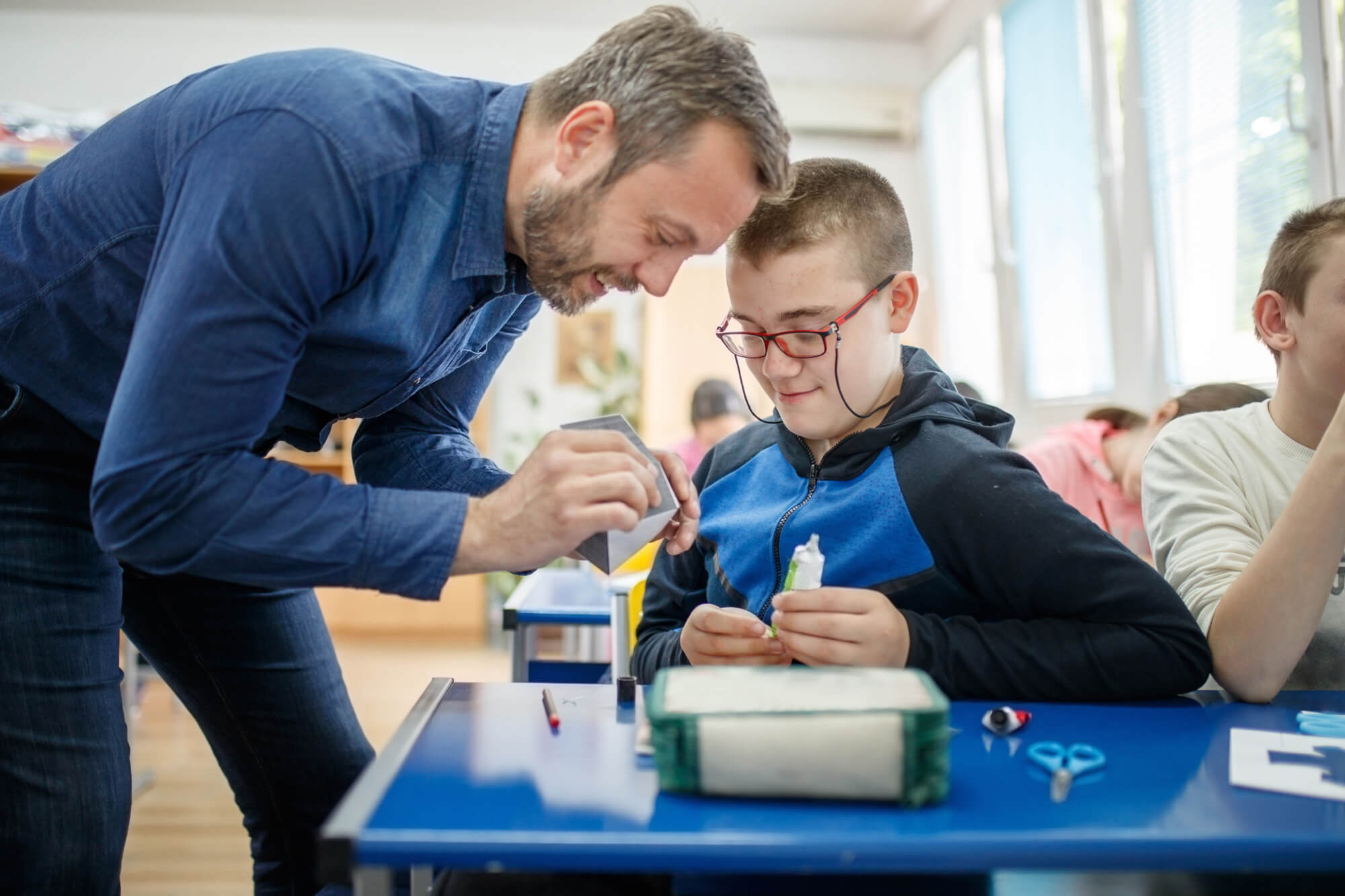
Each year in June, organisations, schools and communities across the UK recognise Learning Disability Week, a national campaign that aims to raise awareness about learning disabilities and highlight the experiences of people who live with them.
In 2026 Learning Disability Week takes place from 15–21 June, continuing a long-standing initiative led by Mencap. This year’s theme is ‘Do you see me?’, which is all about people with a learning disability being seen, heard and valued.
The campaign encourages individuals, organisations and communities to talk about the experiences of people with learning disabilities, celebrate achievements and challenge barriers that can prevent full participation in society.
Across the UK, around 1.5 million people live with a learning disability, yet many still face significant barriers in everyday life.
For many people with learning disabilities, the greatest challenges arise from the lack of understanding, accessibility and opportunities within society.
Research highlighted by the campaign shows that many individuals with learning disabilities want the same opportunities as everyone else but often encounter obstacles in areas such as employment, independence and social participation. For example, a large proportion of people with learning disabilities who are unemployed would like to have a paid job, yet opportunities to do so remain limited.
Learning Disability Week aims to challenge these barriers by raising awareness and encouraging communities to think about how inclusion can be improved.
Learning disabilities and education
Schools play a crucial role in supporting children and young people with learning disabilities. Inclusive education environments help pupils access learning, build confidence and develop positive relationships with their peers.
A learning disability affects the way a person understands information and learns new skills. Some pupils may need additional time to process information, adapted teaching approaches or specific communication support. However, with appropriate adjustments and understanding, pupils with learning disabilities can participate meaningfully in education and achieve their potential.
Learning Disability Week provides an opportunity for schools to reflect on how inclusive their learning environments are and how they can continue to improve support for pupils with additional needs.
Safeguarding and vulnerability
Children and young people with learning disabilities may experience increased vulnerability in some situations. Communication differences, reliance on adults for support and social isolation can sometimes increase the risk of bullying, exploitation or abuse.
For safeguarding professionals, this highlights the importance of ensuring that pupils with learning disabilities are able to communicate concerns and feel confident that they will be listened to.
Accessible safeguarding systems are essential. Some pupils may need visual communication tools, simplified language or one-to-one discussions with trusted adults in order to share their experiences.
Ensuring that safeguarding approaches are inclusive and responsive to individual needs helps protect vulnerable children and supports their wellbeing.
Celebrating strengths and contributions
While Learning Disability Week focuses on raising awareness of challenges, it is also a time to celebrate the strengths, achievements and contributions of people with learning disabilities.
Across the UK, individuals with learning disabilities contribute to workplaces, communities and creative industries in meaningful ways. Highlighting these contributions helps challenge stereotypes and demonstrates the importance of inclusive opportunities.
Celebrating these achievements also reinforces the central message of the campaign: people with learning disabilities should be seen, heard and valued in every aspect of society.
Getting involved
Learning Disability Week encourages individuals, organisations and schools to participate in awareness activities and conversations about inclusion.
This may involve sharing stories of people with learning disabilities, highlighting achievements within communities, or exploring ways to remove barriers that affect participation in education, employment and social life. The campaign also encourages communities to speak openly about the challenges people with learning disabilities face and how they can be addressed.
Moving towards a more inclusive society
Learning Disability Week serves as both a celebration and a call for reflection. It reminds communities that inclusion requires more than awareness—it requires understanding, accessibility and genuine opportunities for participation.
By listening to the experiences of people with learning disabilities and recognising their strengths, schools, workplaces and communities can create environments where everyone is valued and supported.
SSS Author & Former Headteacher
17 June 2026