Talking to Children About War: Supporting Well-being in an Uncertain World
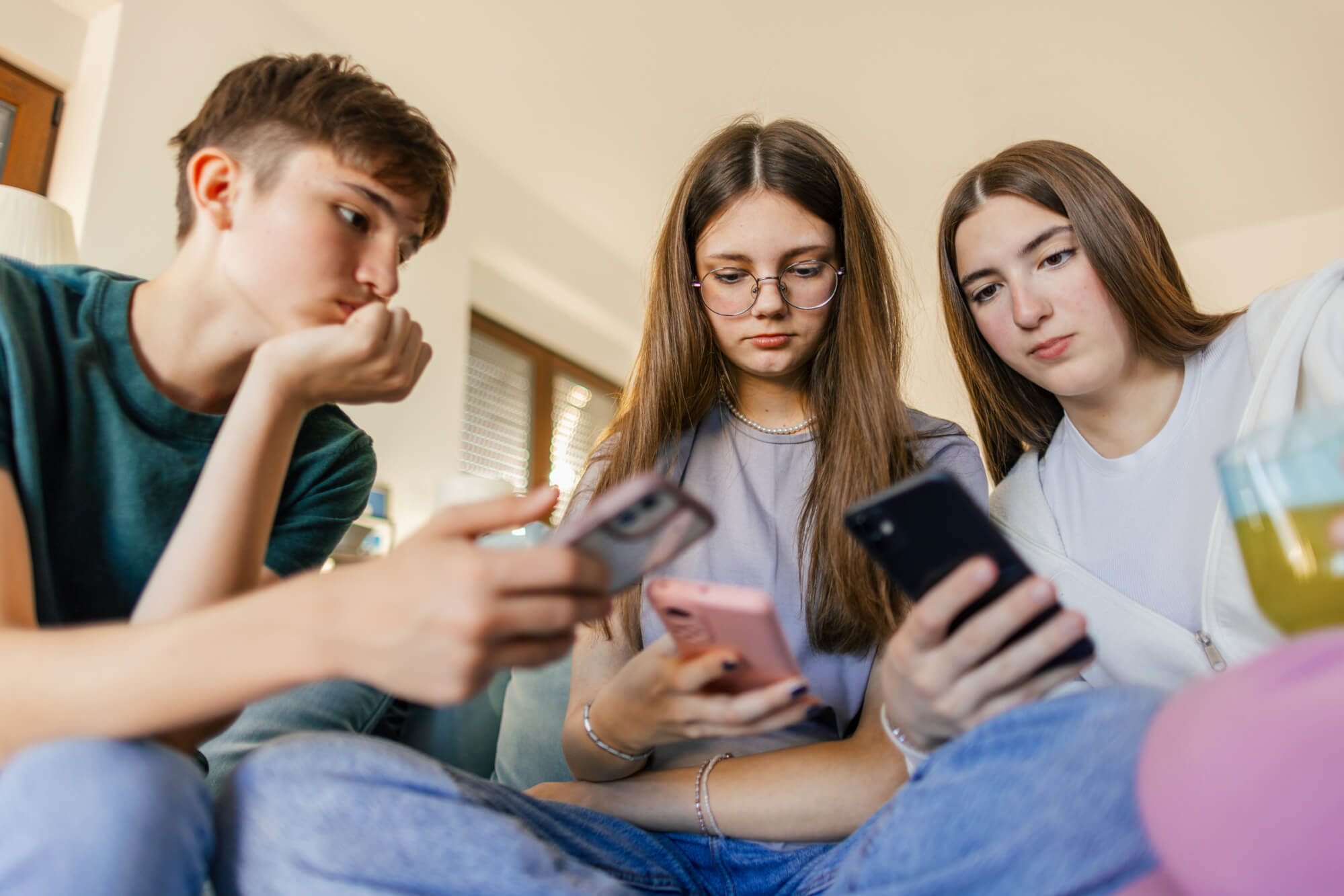
Children today grow up in a world where global events are visible almost instantly. News alerts appear on phones, images circulate on social media, and conversations among adults often reach young ears. When conflicts or wars dominate headlines, many children become aware of them, even when adults try to shield them.
For educational professionals, the challenge is how they should be addressed in ways that support children’s emotional well-being while remaining carefully neutral and maintaining a non-political position.
Although there is no single statutory document specifically dedicated to discussing war with pupils, several pieces of government guidance shape how schools should approach these conversations.
The conflict in Ukraine
During the early stages of the conflict in Ukraine, the Department for Education published advice for teachers on supporting pupils who may be worried about the news. The guidance recognised that global events can be frightening or confusing for children and that schools play an important role in helping them understand what they are seeing and hearing.
DfE Guidance
This DfE guidance advised that staff should create opportunities for pupils to ask questions, provide reassurance where needed and help children navigate complex information. It also emphasised the importance of helping pupils understand that not everything they encounter online is accurate, particularly during rapidly developing international events.
Although at the time this guidance was produced in response to a specific conflict, the principles within remain relevant and are applicable whenever children become aware of global crises.
Legal duty on political impartiality
Perhaps the most important framework for schools when discussing issues such as war is the Department for Education’s guidance detailing the legal duty on political impartiality.
The document Political Impartiality in Schools explains the legal responsibilities placed on education settings when addressing political or controversial issues. Schools must ensure that partisan political views are not promoted and that, where political matters are raised, they are presented in a balanced and age-appropriate way.
The intention is not to prevent discussion of world events. Instead, the guidance ensures that schools remain safe spaces for learning and reflection rather than arenas for political persuasion. Teachers may explore complex topics, but they must do so in a way that allows pupils to consider different perspectives without feeling pressure to adopt a particular view.
Children often know more about global events than adults expect. Even younger pupils may overhear conversations at home or see content on television. Older children and teenagers frequently encounter information through social media, where coverage can be immediate, emotional and sometimes misleading.
The Role of Schools
HM Government advice acknowledges that children may be exposed to distressing content or misinformation online. Schools, therefore, play an important role in helping pupils interpret what they see, and in correcting misunderstandings that may increase anxiety.
- Providing space for children to ask questions can be helpful. When pupils are able to talk openly about what they have heard, adults can gently clarify facts and reduce unnecessary worry.
- When children raise questions about war, the priority for educational professionals is emotional safety rather than political explanation. Creating safe and supportive conversations is essential.
- Listening carefully is often the most important first step. Follow up with questions such as ‘What have you heard about this?’ or ‘How does it make you feel?’ allow children to express their thoughts without feeling judged or dismissed.
- Explanations should be clear and appropriate to the child’s age. Younger children generally need reassurance and simple information, while older pupils may benefit from broader discussions about cooperation between countries, international organisations and the work being done to support people affected by conflict.
- Throughout these conversations, it is important for staff to remain neutral, focusing on understanding and empathy rather than political interpretation.
- Supporting children’s emotional responses is key. Children respond to distressing news in different ways. Some may appear unaffected, while others may feel worried, confused or upset by what they have seen or heard.
- Younger children may worry that a conflict could affect their own safety or that of their family. Older pupils may experience strong emotions when they encounter disturbing images online or read conflicting reports about events.
- Educational staff can support pupils by providing reassurance about their immediate safety and encouraging open discussion of feelings. Activities such as writing, drawing or group reflection can sometimes help children process emotions that may be difficult to express directly.
- Staff should also remain alert to signs that a pupil may be struggling to process and / or comprehend content they have been exposed to. Changes in behaviour, increased anxiety or withdrawal from normal activities may indicate that additional pastoral support is needed.
In the digital age, one of the most significant challenges facing young people is the speed and intensity of online information.
The Department for Education has highlighted the importance of helping pupils recognise that online content may not always be accurate or balanced. Images can be taken out of context, stories can be exaggerated, and social media platforms often amplify the most dramatic or emotional narratives. Helping children understand this does not require detailed media analysis. Simply explaining that some information online may be misleading and encouraging pupils to take breaks from distressing news coverage can be an important part of supporting their wellbeing.
For some pupils, discussions about war may feel particularly personal. Children may have family members living in affected regions, relatives serving in the armed forces or cultural ties to countries involved in conflict. Educational professionals should approach these situations with care and sensitivity. Classroom discussions should always remain respectful and inclusive, avoiding language or assumptions that might cause children to feel singled out or uncomfortable.
Where appropriate, staff may wish to check in privately with pupils who may have personal connections to events.
Although conversations about war can be difficult, they can also reinforce important values. Children often feel reassured when they hear about people helping others, humanitarian organisations delivering aid and communities supporting those affected by conflict.
Emphasising these examples of compassion allows pupils to see that even during challenging global events, many individuals and organisations are working to protect others and promote peace.
At times of global uncertainty, schools provide something essential for children: stability.
Consistent routines, trusted adults and predictable environments all contribute to a sense of security. Educational professionals do not need to have answers to every complex geopolitical question. What matters most is that children feel listened to, reassured and supported.
By responding calmly, maintaining political neutrality and prioritising children’s emotional wellbeing, schools can help young people navigate difficult news while preserving the safe learning environments they depend upon.
SSS Learning
25 March 2026