Supporting Girls with Autism in Schools
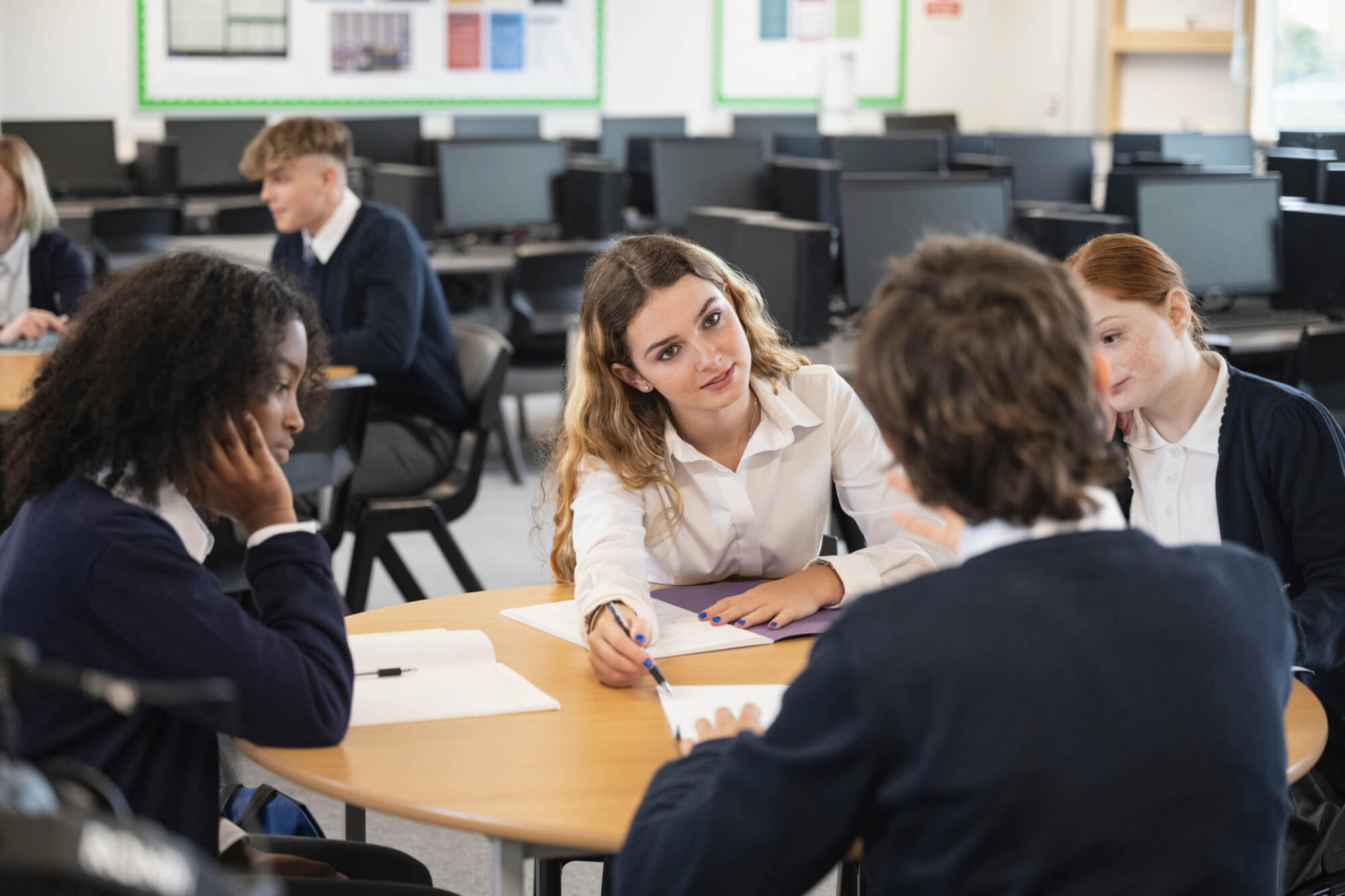
Walk into any classroom and you’ll find children who are working incredibly hard just to fit in. They watch others closely, laugh at the right time, take cues from a confident friend, and hope no one sees how much effort it takes.
For many girls with autism, this daily performance becomes so polished that their underlying needs remain invisible.
I think of my own daughter, bright, capable, and now thriving as an adult. She sailed through school academically, always appearing quiet yet ‘fine’. But what others didn’t see was the sheer determination required to keep up the act. It wasn’t until she was 17 that we finally understood the full picture, and her autism was recognised. That diagnosis didn’t define her, but it did explain her quieter struggles and gave her room to breathe.
The long-held belief that autism is primarily a ‘boys’ condition’ has shaped decades of practice. Diagnostic criteria were built around behaviours more commonly seen in boys, leaving girls to navigate school life without the recognition and understanding they deserve. Schools are uniquely placed to change that.
Many autistic girls learn early on that blending in offers protection. They become skilled observers, studying facial expressions, practising social scripts, following the lead of more confident peers. On the outside, they may appear calm and socially comfortable.
Inside, their thoughts may sound very different:
‘What did they mean by that?’
‘Am I doing this right?’
‘Don’t get it wrong.’
Keeping anxiety concealed all day can eventually lead to shutdowns at home, where a parent may see only tears, anger, or complete withdrawal. From the school’s perspective, nothing appears amiss, and the struggle goes unnoticed.
A boy intensely focused on trains or maps may raise staff awareness. A girl who immerses herself in books, animals, or online tutorials may not. The passion may be equally powerful, only more socially acceptable. The real question is whether the interest provides comfort and joy, or whether losing access to it triggers distress and panic.
Signs at the Margins of Awareness
Some indicators can be quiet enough to ignore:
- A powerful fear of making mistakes
- Friendships that flicker in and out of existence
- Sudden silence when routines shift
- Literal interpretations of jokes or instructions
- Sensory discomfort that goes unnamed
- Exhaustion after navigating busy spaces
These clues are often subtle, even to experienced staff.
When a girl’s needs stay hidden, her behaviour can be misread as attention-seeking or emotional instability, and her mental health may decline long before anyone realises something is wrong. She may be more vulnerable to coercion, particularly online or in relationships, and may reach a crisis before help is offered. A timely diagnosis gives a child language for their experience, and access to people who finally understand.
A shift in perspective can make all the difference. It is important to notice the quiet girls, the polite perfectionists, the girls who cope beautifully until they suddenly don’t. Support can be offered through:
- Routines that minimise uncertainty
- Clear, direct communication
- Calm areas to decompress
- Kindness when social overwhelm takes hold
Working closely with parents is essential, including offering them support, as they are often the people coping with the resulting impact after the school day.
It is vital not to dismiss concerns as ‘just hormones’ or to assume that high academic performance equates to sound wellbeing.
Autistic girls are not less affected by their differences, just less recognised. They are often working far harder than we know. Recognising their needs early prevents loneliness, misunderstanding, and unnecessary struggle.
SSS Author & Former Headteacher
6 July 2026